Mold Remediation
Certified mold inspection, containment, and removal for Boise-area homes. Safe methods, transparent pricing, and post-remediation verification.
- Home
- → Mold Remediation
Mold
Mold Testing & Removal in Boise & the Treasure Valley
A little bit of mold is normal in any building. A lot of it is a problem — for your health, your indoor air, and your home’s structure. And in the Boise area, we see it most often after winter: a leak from a burst pipe or ice dam that didn’t get fully dried, and by spring there’s a musty smell and a health issue nobody expected. Boise River Restoration handles the whole process — from testing to figure out what you’re dealing with, to safe removal, to verification that the air is genuinely clean before we leave.
Emergency
Suspect You Have Mold? Please Don't Disturb It.
Scrubbing visible mold without containment spreads spores through the rest of your home. Call us for an inspection first.
Signs
Signs You May Have Mold
Mold hides. Here are the clues homeowners most often miss:
- A musty or earthy smell that doesn't go away when you clean
- Dark spots on walls, ceilings, grout, or around windows
- Allergy-like symptoms — sneezing, headaches, itchy eyes — that get better when you leave the house
- Discoloration or bubbling on drywall, baseboards, or wood floors
- A history of water damage, a slow leak, or an ice dam that maybe didn't get dried out completely
- New or worsening asthma symptoms in a family member
- Condensation on windows or interior pipes
Process
Our Mold Remediation Process
Our crews cover the greater Boise area from top to bottom. If you’re anywhere in the following communities, we can typically be at your door in under an hour
[01/5]
Step 1: Inspection & Testing
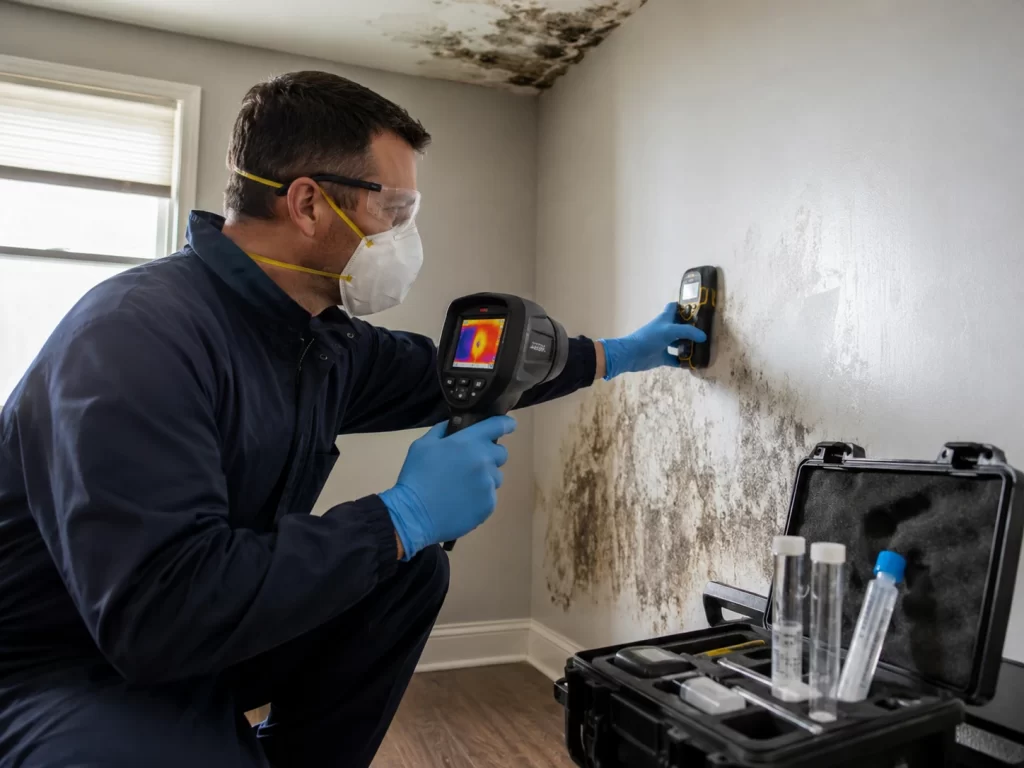
We inspect visually, find moisture sources with meters and thermal imaging, and — when it’s warranted — take air or surface samples for lab analysis. You can’t fix what you haven’t identified.
[02/5]
Step 2: Containment
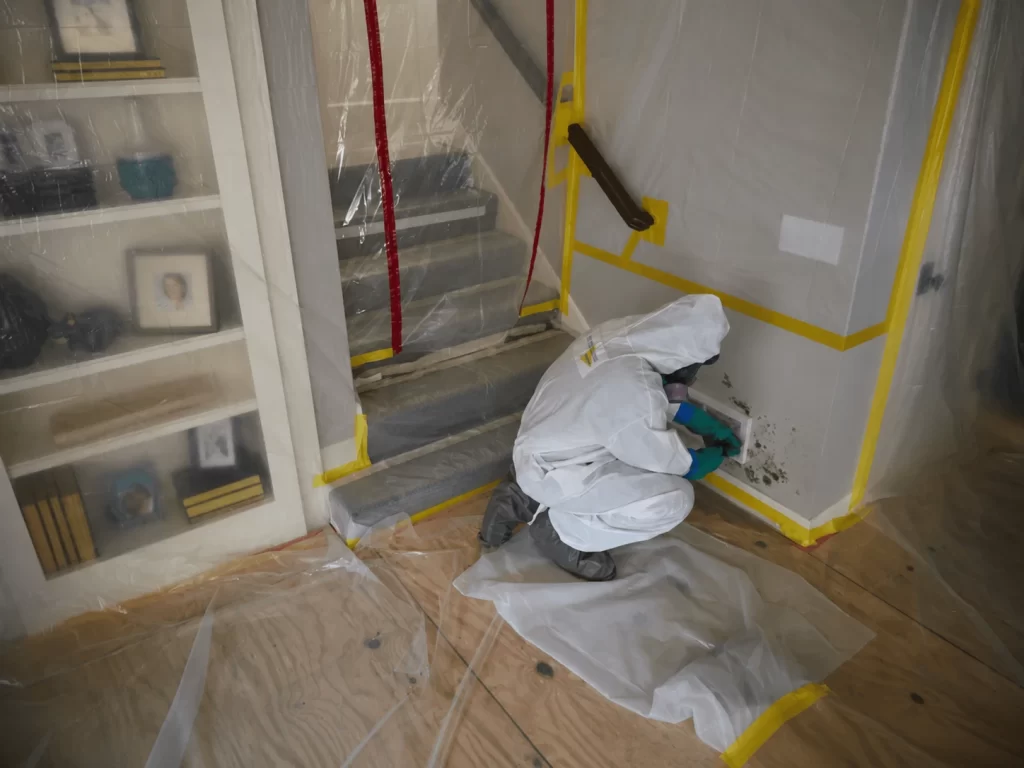
On arrival, we inspect the damage, find the source, and walk you through what needs to happen. We use moisture meters and thermal cameras — not guesswork — to figure out how far the damage has spread.
[03/5]
Step 3: Air Filtration
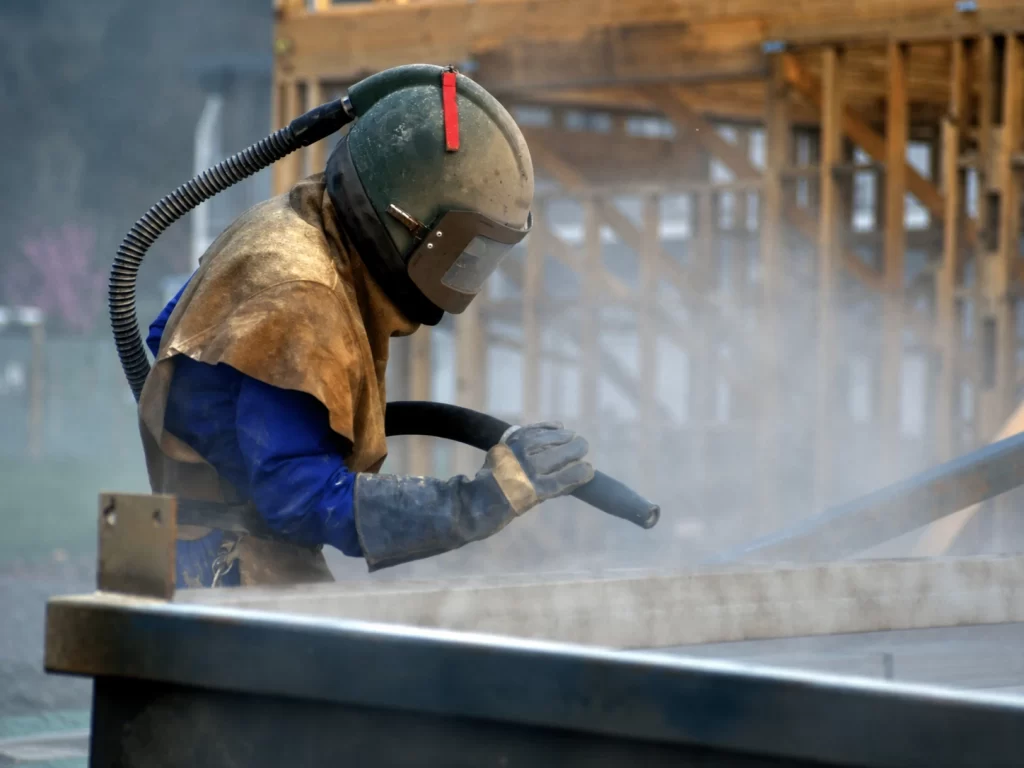
HEPA air scrubbers run throughout the project, pulling airborne spores out of the space instead of letting them settle somewhere else.
[04/5]
Step 4: Safe Removal
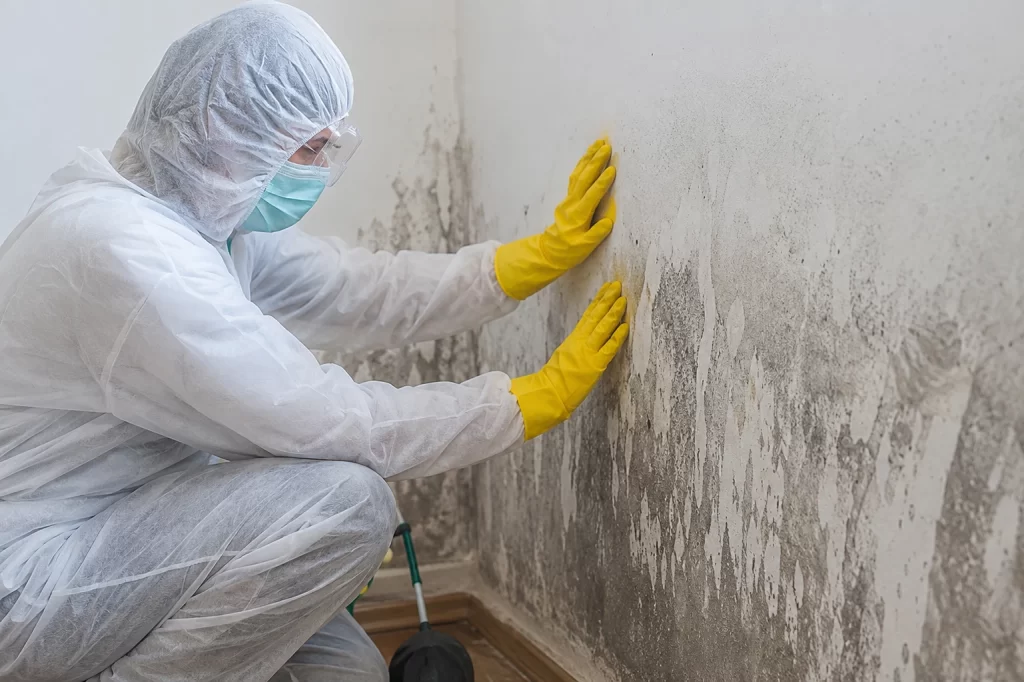
Porous materials with real mold growth — drywall, carpet, insulation — usually come out. Non-porous surfaces can typically be cleaned. We follow IICRC S520 standards to decide what stays.
DIY
Why the Spray Bottle in Your Cabinet Isn't Enough
Bleach kills surface mold on hard, non-porous surfaces like tile and glass. It can’t penetrate drywall, wood, or grout — which is where mold’s roots actually grow. And when you scrub visible mold without containment, you launch millions of spores into the rest of the house, where they’ll settle and grow somewhere new. The right approach isn’t more elbow grease. It’s finding the moisture source, containing the affected area, and removing the material safely.
INSURANCE
Insurance & Mold:
What's Usually Covered
Coverage varies by policy. Generally:
Often covered
mold caused by a sudden, covered event — like a burst pipe — that wasn't dried in time.
Often not covered:
mold from long-term seepage, neglected maintenance, or chronically high humidity.
Special limits:
many Idaho policies cap mold at $5,000–$10,000 unless you've added a mold endorsement.
We’ll look at your situation honestly and tell you whether a claim is likely to be approved before you file.

FAQ
Mold Remediation:
Common Questions
Is mold actually dangerous?
Very. The first 24–48 hours after water hits determines whether your hardwood floors and drywall are savable. After that, mold begins colonizing and materials that could have been dried out often have to come out instead.
Do I have to have a mold test done?
Very. The first 24–48 hours after water hits determines whether your hardwood floors and drywall are savable. After that, mold begins colonizing and materials that could have been dried out often have to come out instead.
How long does mold remediation take?
Very. The first 24–48 hours after water hits determines whether your hardwood floors and drywall are savable. After that, mold begins colonizing and materials that could have been dried out often have to come out instead.
Will it come back?
Very. The first 24–48 hours after water hits determines whether your hardwood floors and drywall are savable. After that, mold begins colonizing and materials that could have been dried out often have to come out instead.
Can we stay in the house during remediation?
Very. The first 24–48 hours after water hits determines whether your hardwood floors and drywall are savable. After that, mold begins colonizing and materials that could have been dried out often have to come out instead.